CHINAin your own story
Chengdu travel atmosphere for a first-time China itinerary

成都 / 3–4 days

Chengdu Travel Guide for First-Time Visitors

Chengdu balances teahouse ease, bold Sichuan cooking, contemporary creativity, and panda conservation, rewarding travelers who leave room between headline sights.

3–4 daysfood · modern · natureReviewed 2026-07-27

At a glance

How many days do you need in Chengdu?

Give Chengdu three days: an early Panda Base morning, a central heritage and teahouse day, and a food-and-neighborhood day that does not revolve around another ticketed landmark. A fourth day creates room for a Sichuan cooking experience, a contemporary district, or a carefully chosen excursion without erasing the relaxed rhythm that makes the city distinctive.

The non-negotiables

Must-see anchors

01

Chengdu Research Base of Giant Panda Breeding

Arrive near opening, especially in warm weather, because pandas are generally more active before the day heats up. The grounds are extensive; decide which nurseries and adult enclosures matter most rather than racing every path. Use official visitor information, expect crowds, and avoid building a fixed lunch reservation immediately after the visit.

02

People's Park teahouse

Treat the teahouse as time to sit, watch, and understand daily social life, not a ten-minute photo stop. Order a simple tea, keep belongings close in busy areas, and allow at least an hour. Combine the park with nearby central streets rather than crossing the city for one isolated cup.

03

Wenshu Monastery and surrounding food streets

Visit the Buddhist complex earlier in the day when the courtyards are calmer, then eat in the surrounding neighborhood. Dress and speak respectfully inside worship spaces. This cluster works well on an arrival day because it offers culture, a garden-like pause, and accessible food without a long sequence of reservations.

04

One lived-in neighborhood

Choose Yulin for casual food, music, and evening life or another district near your hotel, then walk with a few intentional stops. Chengdu's value is not limited to Kuanzhai Alley or Taikoo Li. A market, noodle shop, fruit stall, and small bar can reveal more than another crowded heritage-style commercial street.

05

Sichuan food experience

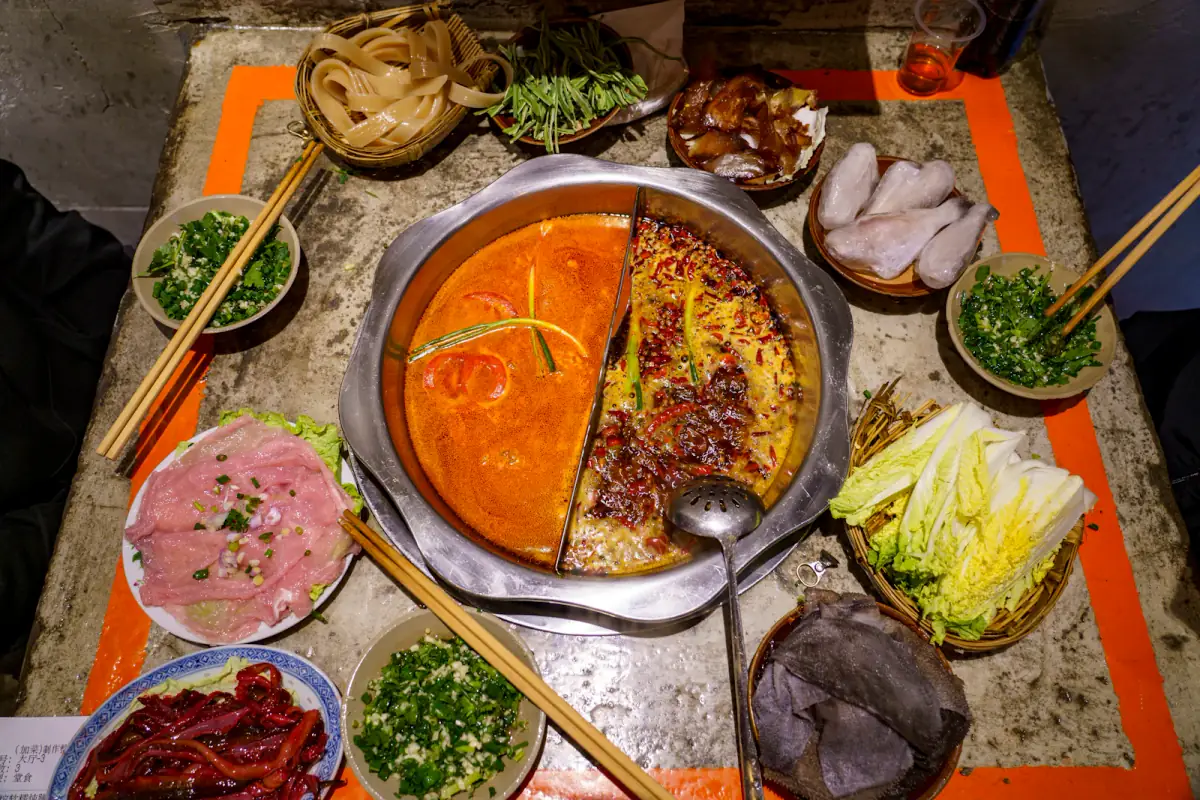
Plan one hot-pot or chuanchuan meal, one noodle or dumpling meal, and one gentler option so spice does not dominate every day. A cooking class or market walk can add technique and ingredient context. Communicate spice tolerance clearly, including that “less spicy” may still be intense by unfamiliar standards.

Keep transfers under control

A practical day grouping

Day 1 — Central Chengdu: visit Wenshu Monastery, eat nearby, then continue to People's Park for tea. Finish with a low-pressure dinner close to the hotel; this day also works after a morning arrival.

Day 2 — Pandas and modern center: start at the Panda Base, rest after returning, then choose Taikoo Li, Daci Temple, or a nearby dinner. Do not force another distant attraction into the hottest part of the day.

Day 3 — Food and neighborhood: explore a market or Yulin, book a cooking activity if desired, and leave room for a long lunch. Day 4 can hold Jinsha Site Museum, a contemporary art stop, or an excursion selected for current transport and weather.

Where to base

Neighborhoods

  • Yulin
  • Taikoo Li
  • Kuanzhai

What to taste

Signature foods

  • mapo tofu
  • dan dan noodles
  • chuanchuan

How to move

Local transport

  • metro
  • DiDi
  • cycling

Arrival plan

Know your terminal before the day begins.

  • Tianfu Airport
  • Shuangliu Airport
  • high-speed rail

Small choices, better days

01Visit the Panda Base early when animals are most active.

02Order small portions to sample more dishes across the day.

Terminals and bases

Arrival and departure strategy

Chengdu Tianfu Airport is much farther from the center than Shuangliu, so confirm which airport appears on the booking and calculate the hotel transfer before choosing a late arrival. Chengdu East is a common high-speed rail terminal and has metro connections. A base near the central metro network keeps the Panda Base transfer and evening food districts manageable; Yulin suits travelers who prioritize neighborhood life, while the Taikoo Li area is easy for first-time navigation. For departure, do not use the travel time to Shuangliu when the flight actually leaves from Tianfu.

After the sights

Food and evening rhythm

Sichuan food is broader than maximum heat. Try mapo tofu, dan dan noodles, wontons in chili oil, twice-cooked pork, seasonal vegetables, and a split-broth hot pot if the group has mixed tolerance. Order gradually because portions and spice accumulate. Teahouses are a daytime social ritual; Yulin and central bar streets work after dinner, while a relaxed massage or early night can be the smartest choice after pandas.

Protect the trip

Weather or closure fallback

Summer rain and heat favor an early outdoor start followed by a museum, teahouse, cooking class, or long meal. If pandas are inactive or a section is crowded, slow down rather than chasing every enclosure; the conservation setting is still the point. When an excursion faces poor weather or transport uncertainty, replace it with Jinsha Site Museum, Wenshu Monastery, a market, and neighborhood food instead of losing a day in transit.

Routes through Chengdu

Put the city in context.

Ministry of Culture and Tourism of ChinaMinistry of Transport of China