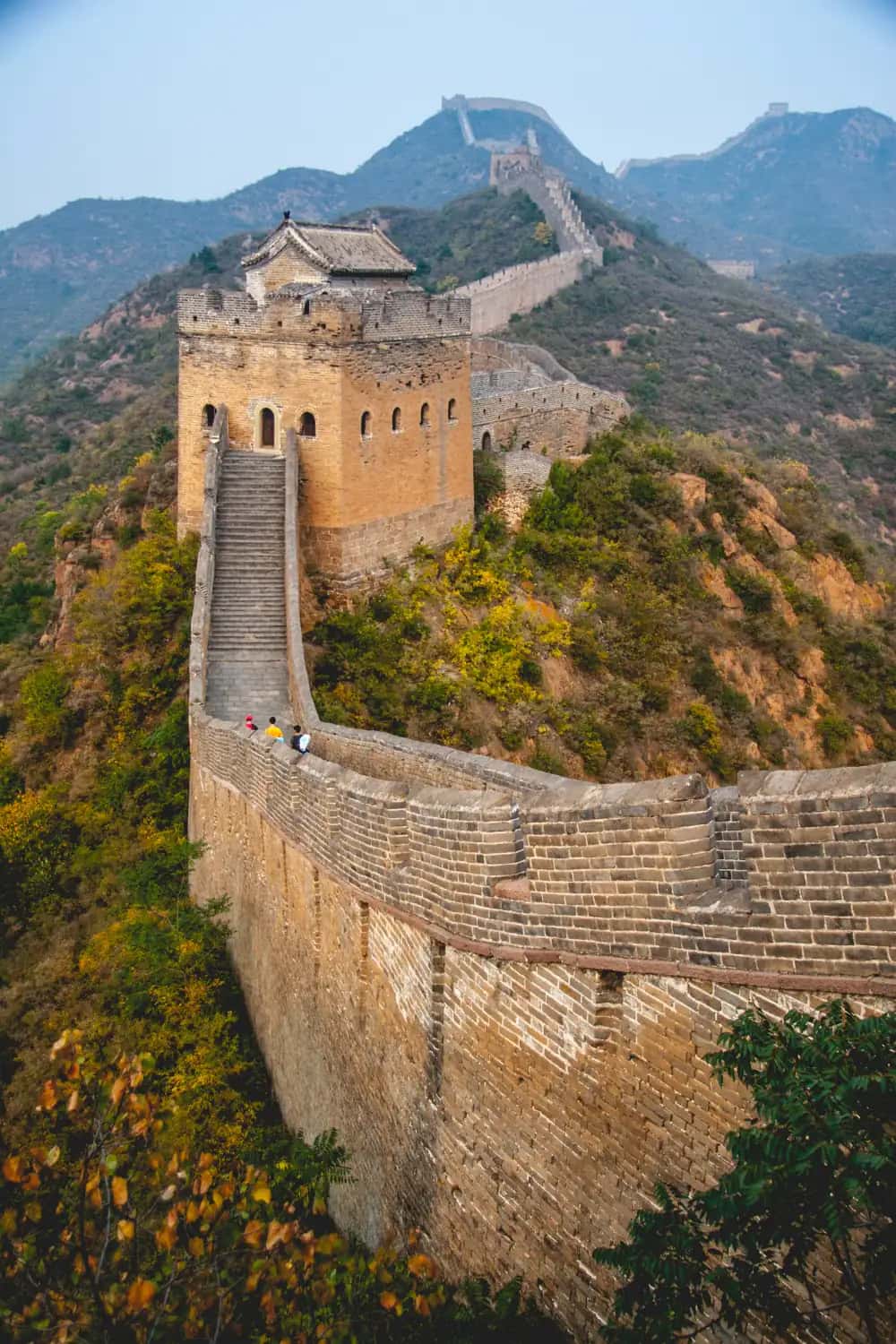
Classic China
Connect Beijing's imperial scale, Xi'an's archaeological depth, and Shanghai's global energy in the most legible first trip across China.
Six curated ways through China
Start with an interest or compare every route. Each one has 7-, 10-, and 14-day versions built from the same geographic logic.
Connect Beijing's imperial scale, Xi'an's archaeological depth, and Shanghai's global energy in the most legible first trip across China.
Travel from Beijing's imperial axis through Luoyang's Buddhist and dynastic heritage to Xi'an, where archaeology and the old city grid complete the timeline.
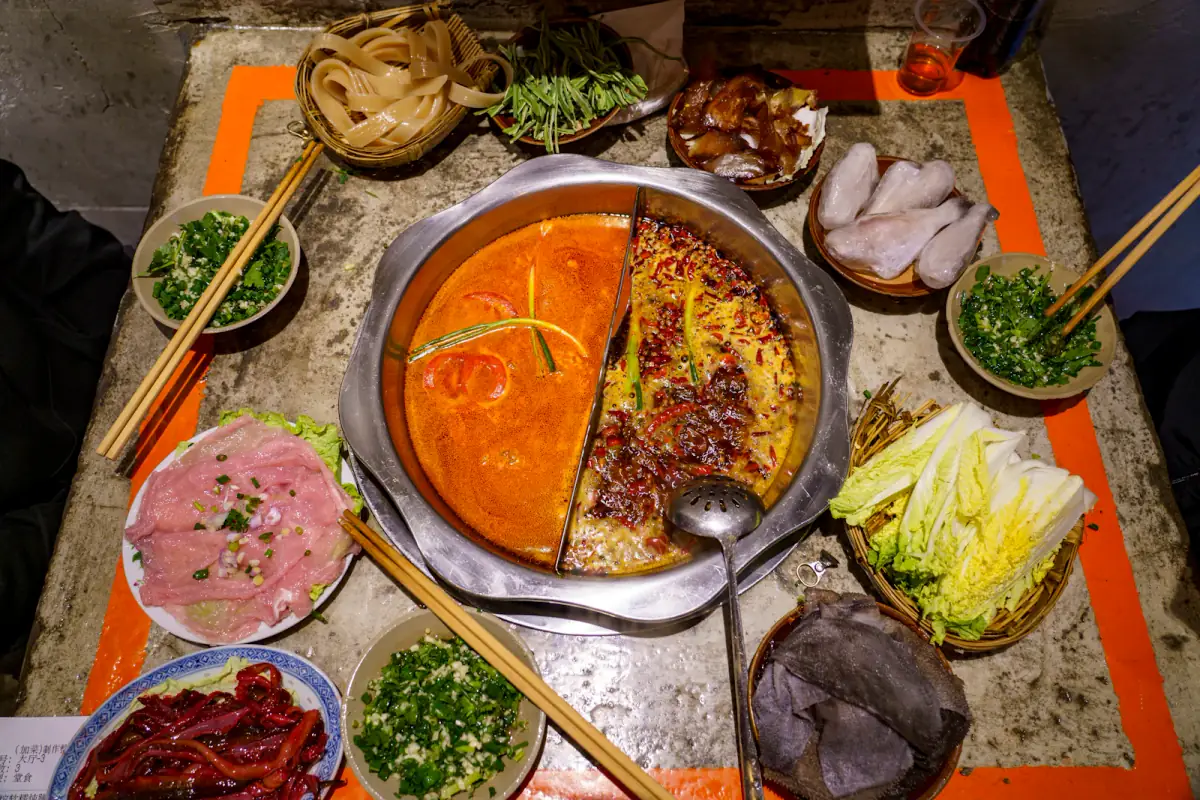
Eat your way from Chengdu's teahouses and layered Sichuan flavors through Chongqing's communal hot pot to Xi'an's noodles, breads, and Muslim food traditions.
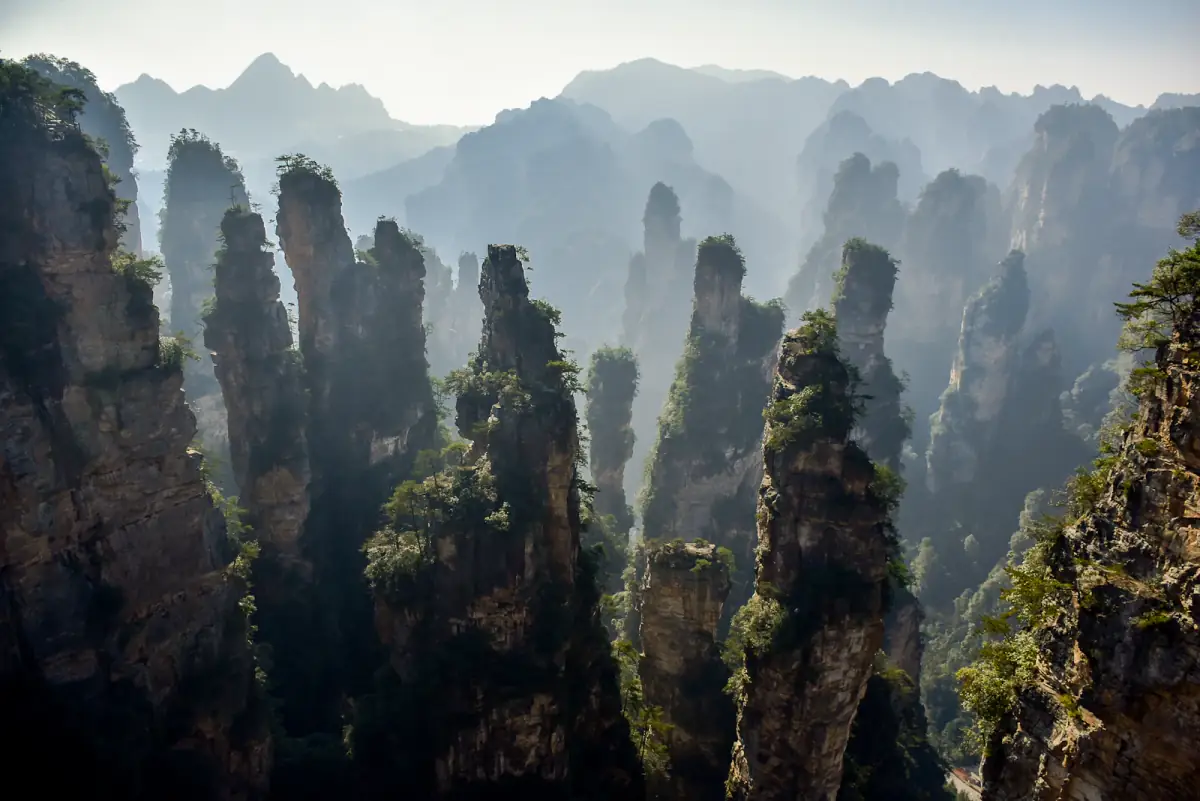
Move from Zhangjiajie's sandstone forests to Guilin's limestone skyline and Yangshuo's village-scale river landscape with built-in weather buffers.
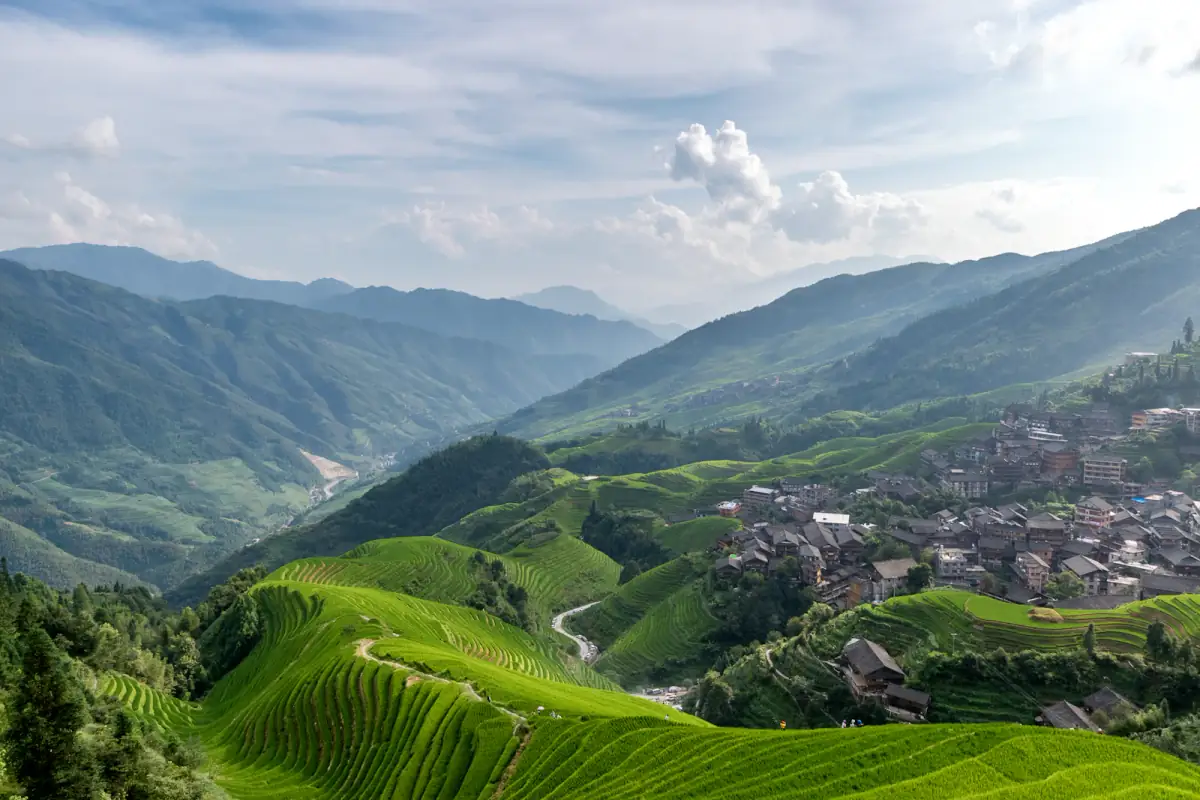
Slow the pace between Shanghai, Suzhou, and Hangzhou for urban history, classical gardens, canal culture, tea hills, and easy rail connections.
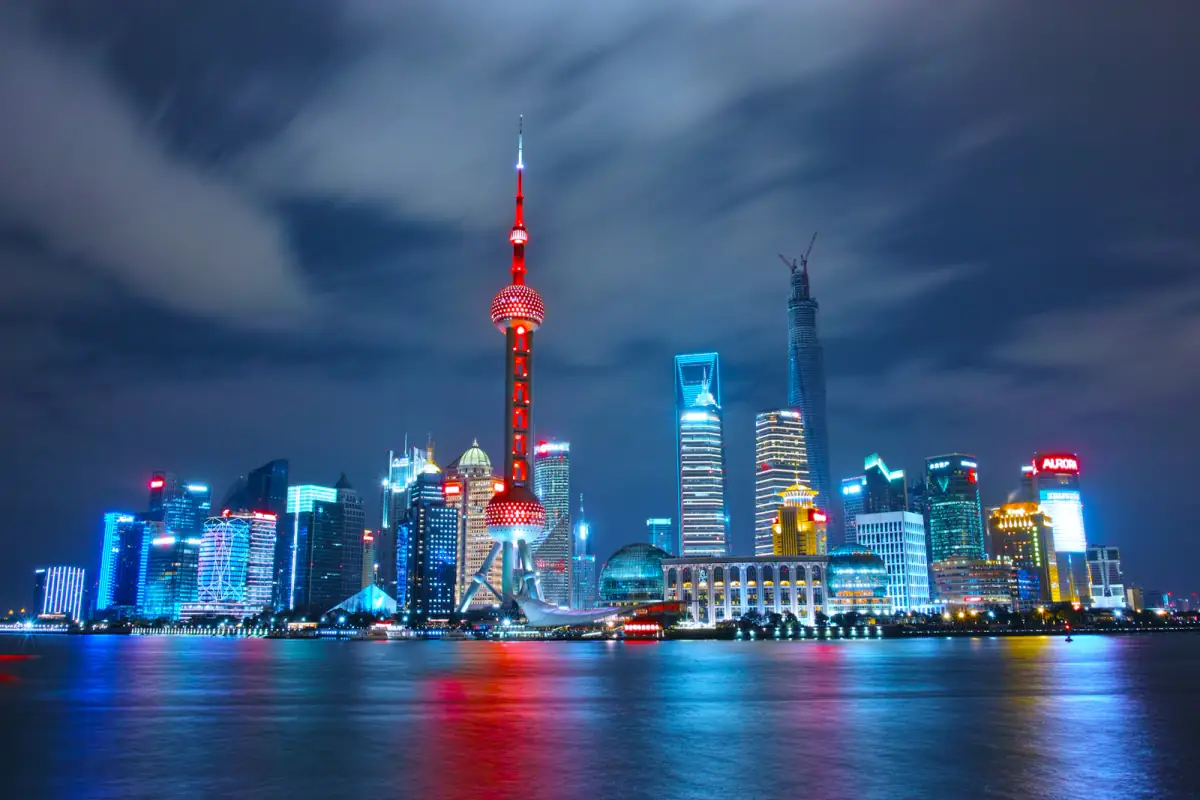
Read contemporary China through Shanghai's global urbanism, Hangzhou's digital confidence, and Chongqing's spectacular vertical infrastructure and nightlife.
Plan the shape before the stops
China is too large for a first trip built from scattered city names. Use one connected spine, then add one contrasting branch only when the trip has enough days.
Beijing, Xi'an, and Shanghai form the clearest first-trip arc. High-speed rail connects the major legs, each city answers a different question, and an open-jaw flight can prevent backtracking to the arrival city.
Chengdu and Chongqing pair naturally for food and contemporary city life. Zhangjiajie or Guilin adds nature, but combining both in a short trip creates long transfers and too many weather dependencies.
Shanghai, Suzhou, and Hangzhou support a slower trip of gardens, canals, design, and tea. Short rail legs reduce logistics, making this region useful for travelers who prefer depth to national coverage.
Season decision
Spring and autumn often give the broadest comfort across Beijing, Xi'an, Shanghai, and Jiangnan, but rain and public-holiday demand still matter. Summer favors early starts and indoor midday breaks; winter can reward northern-city travelers who accept cold and shorter daylight. Mountain routes need a weather buffer more than a supposedly perfect month.
Cost framework
Build a budget from international flights, intercity transport, accommodation, food, local movement, ticketed sights, and a contingency reserve. City count is often the largest controllable cost: every added base creates another ticket, transfer, and check-in. Use current refundable quotes for your dates; this site does not publish a static daily price that will quickly become misleading.
Simple rule
A cheaper distant hotel can cost hours in daily transit, while an extra flight may erase a sightseeing day. Compare door-to-door time and cancellation terms alongside price. Protect one flexible day in a ten- or fourteen-day route so weather, a sold-out entry, or holiday congestion does not force an expensive last-minute rebuild.