The short answer
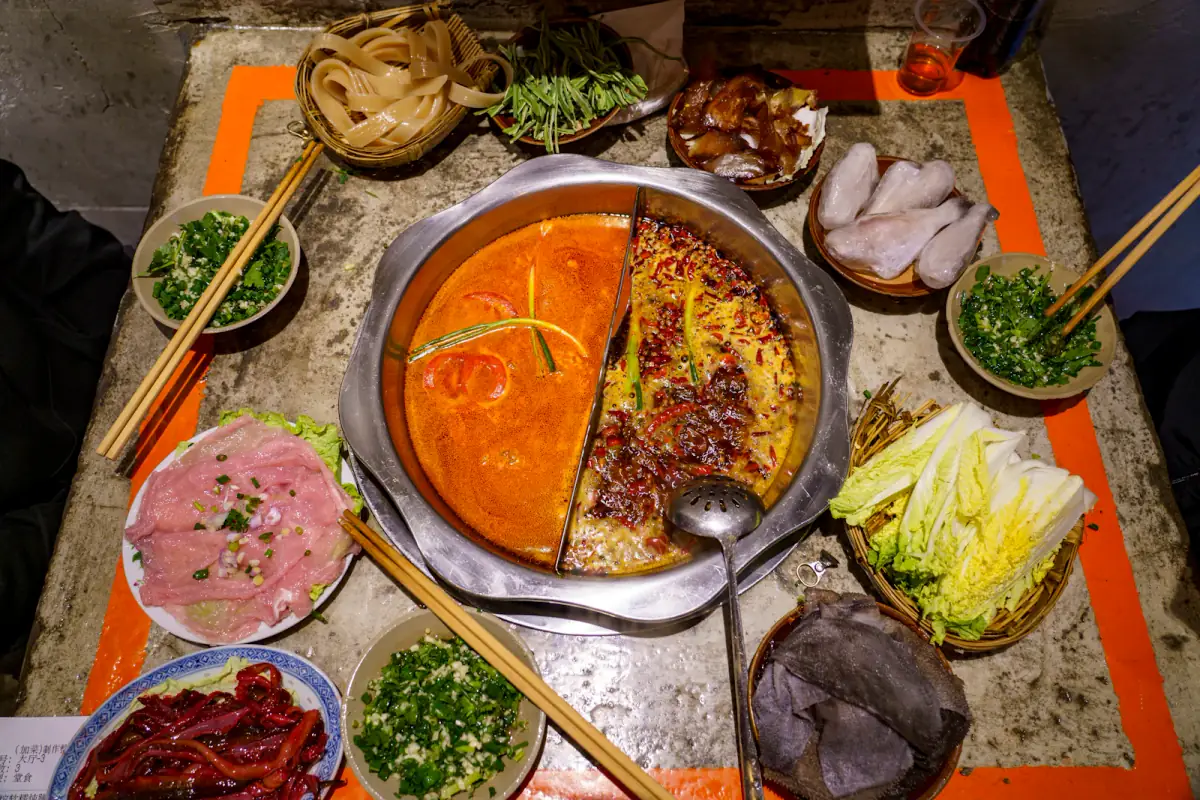
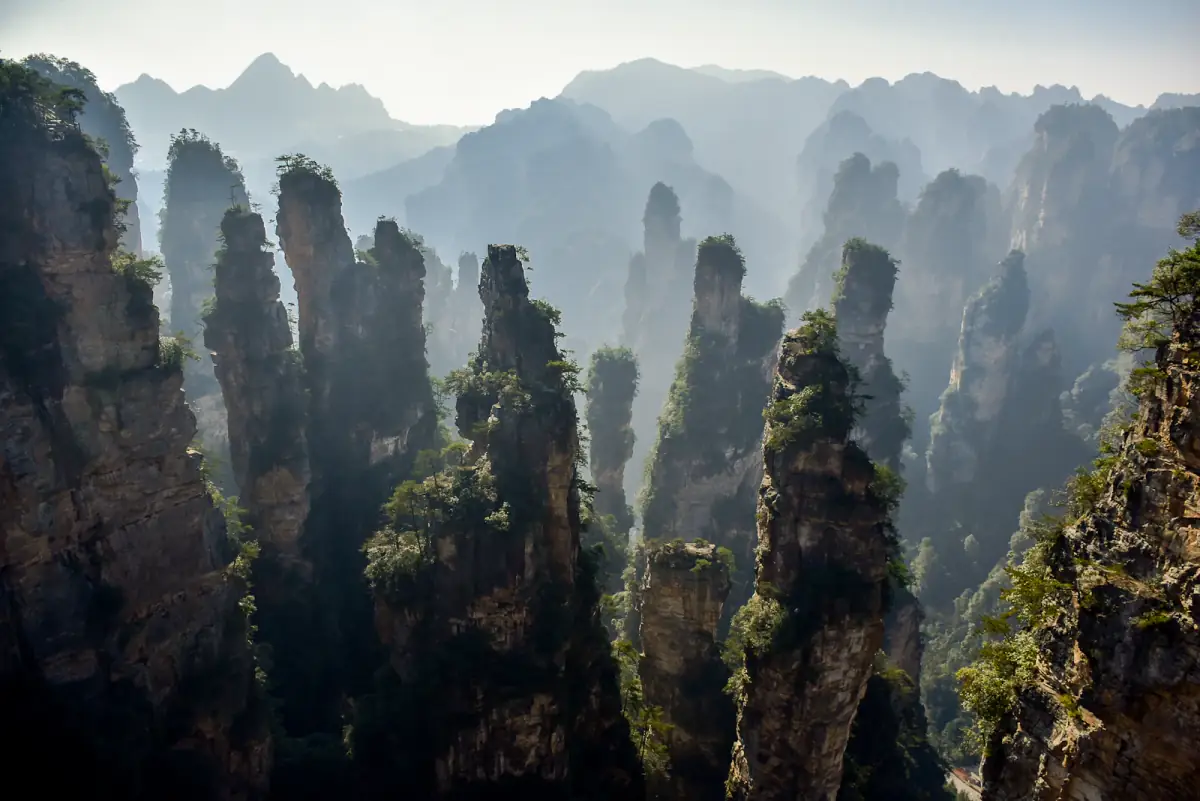
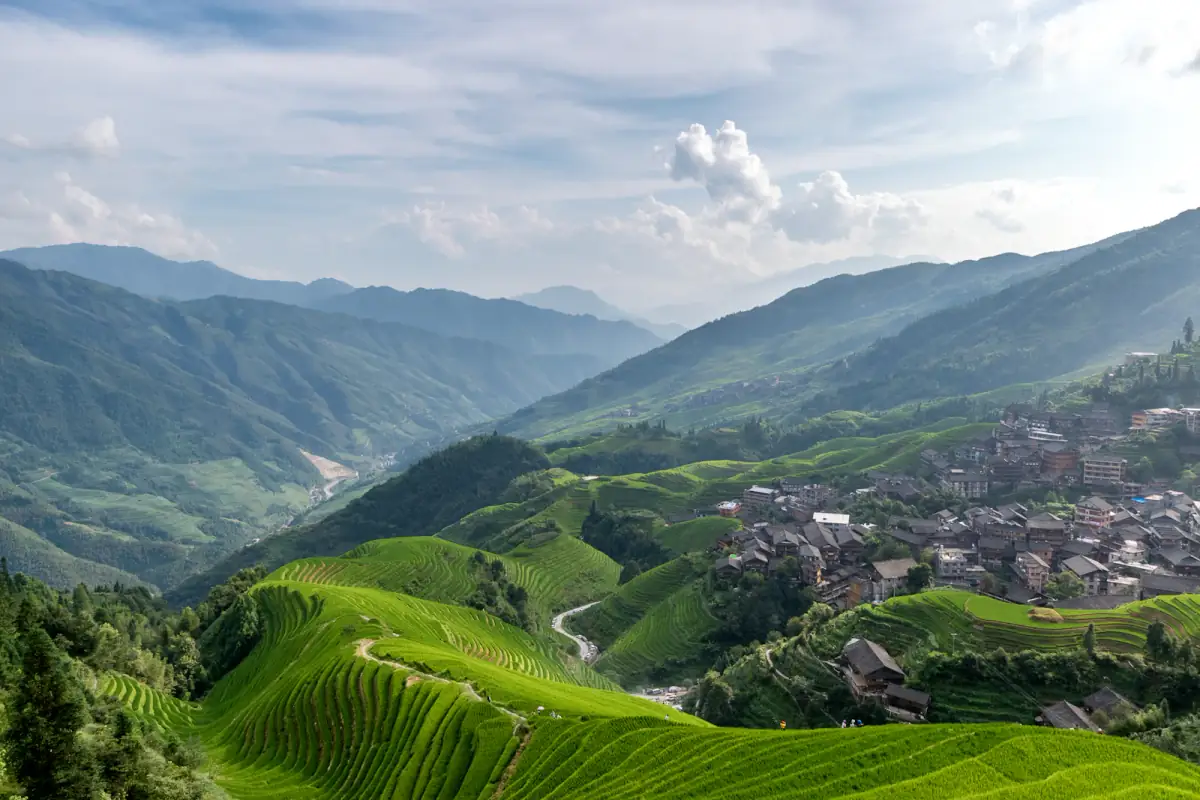
A ten-day China itinerary is the most forgiving format for a first independent trip. Three cities create a clear beginning, middle, and end while leaving enough full days to separate headline sights from neighborhood exploration. Classic China can divide the trip among Beijing, Xi'an, and Shanghai. A food-led route can give Chengdu and Chongqing real evenings before finishing in Xi'an. A nature route can protect multiple weather windows in Zhangjiajie before moving toward Guilin and Yangshuo. Plan by nights and door-to-door transfers rather than city count. Reserve the fixed anchors, leave one movable day in the middle, and avoid adding a fourth city unless it sits directly on the rail line. Ten days should feel varied, not hurried: the extra time belongs inside the cities, where a market breakfast, park, teahouse, or residential lane turns a famous route into a legible trip.
Why ten days changes the planning problem
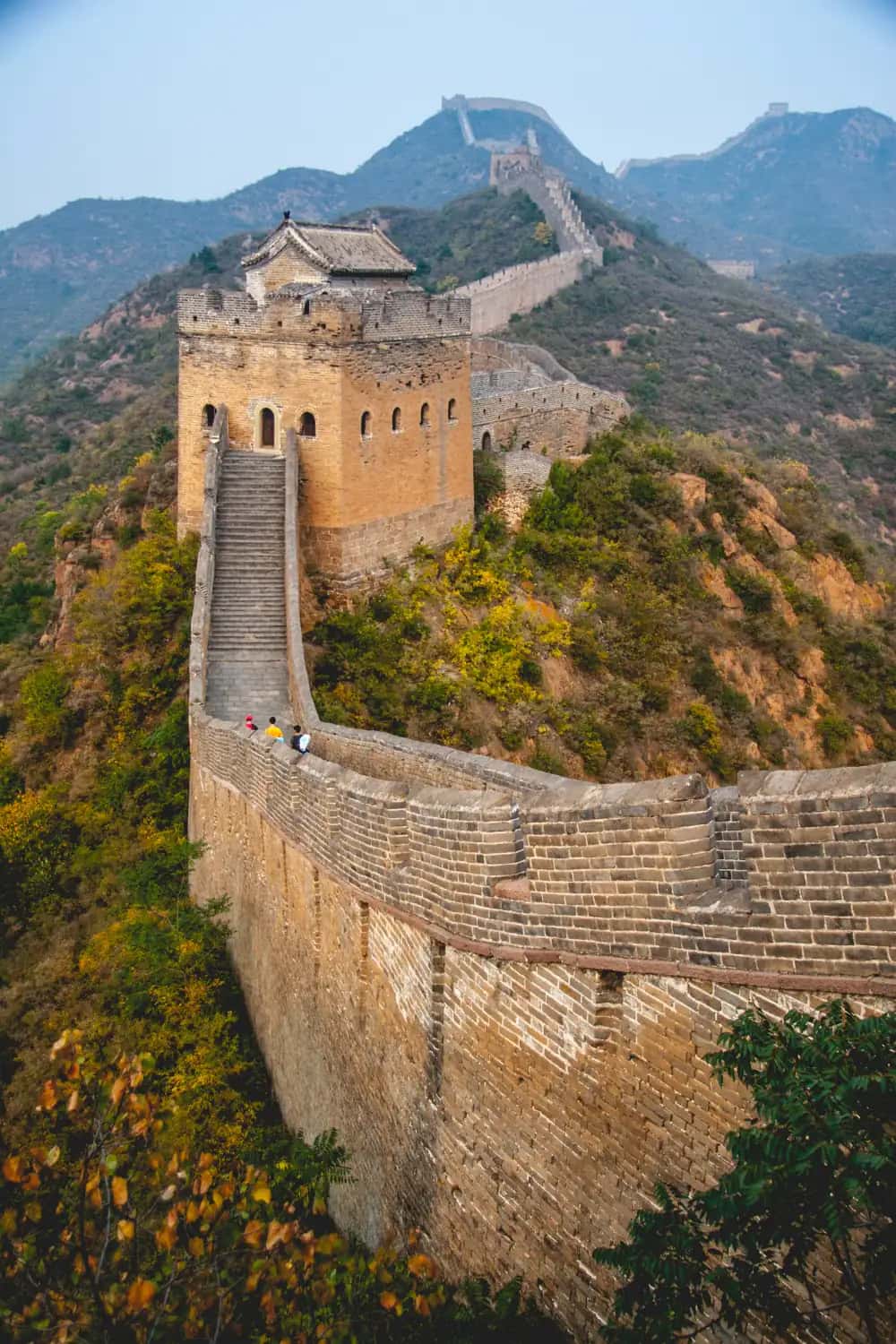
With ten days, the choice is no longer between range and depth at every moment. A traveler can devote a full day to the Great Wall without sacrificing Beijing's central axis, or give Chengdu both an early panda morning and an unhurried food-and-teahouse day. The route gains resilience because not every landmark must share a calendar square with a train.
The additional nights should not automatically create another destination. They work harder when they reduce hotel changes, let an arrival evening remain empty, and provide a second weather opportunity. A fourth city is justified only when it is adjacent, such as Suzhou within an eastern-China route, and when the transfer replaces rather than fragments a normal exploration day.
Build three chapters with different jobs
Give the first city orientation and the most administratively demanding sights. Use the middle city for the trip's strongest thematic experience—archaeology, food, landscape, or water-town texture. Let the final city provide contrast and an uncomplicated departure. This structure prevents the itinerary from feeling like three versions of the same urban day.
A strong ten-day plan alternates intensity. Follow a ticketed monument day with a neighborhood route; follow a long train with an easy evening; follow an exposed landscape with a flexible indoor option. Alternation matters more than the raw number of attractions because unfamiliar payments, navigation, language, and station layouts create cognitive effort even when the physical walking looks modest.
Use the middle day as a pressure valve
Keep one day or half-day movable until the route's fixed bookings are confirmed. In a history itinerary, it can absorb weather at the Great Wall or an unavailable museum slot. In a nature itinerary, it can shift between an exposed viewpoint and a lower-elevation walk. In a food route, it can become rest after a late evening rather than another morning reservation.
A pressure valve is not an empty day. Prepare two approved choices in the same city and select between them when the forecast, energy, and ticket situation are known. This is more practical than a rigid plan and more useful than improvising from an unfiltered list of attractions after something fails.
Door-to-door transfer accounting
Record hotel departure time, station or airport access, security, boarding, scheduled travel, arrival transfer, and check-in. The complete block determines whether lunch, a museum, or only an evening walk fits afterward. A six-hour high-speed train can still be the right choice when it avoids airport transfers and produces a predictable city-center arrival.
Choose accommodations partly by the next move. A hotel that is excellent for sightseeing but far from the departure station may be right for four nights and wrong for a one-night bridge. On the final leg, prioritize a simple airport connection over one last fashionable neighborhood. The goal is not minimizing every minute; it is preventing one ambitious transfer from destabilizing several later days.